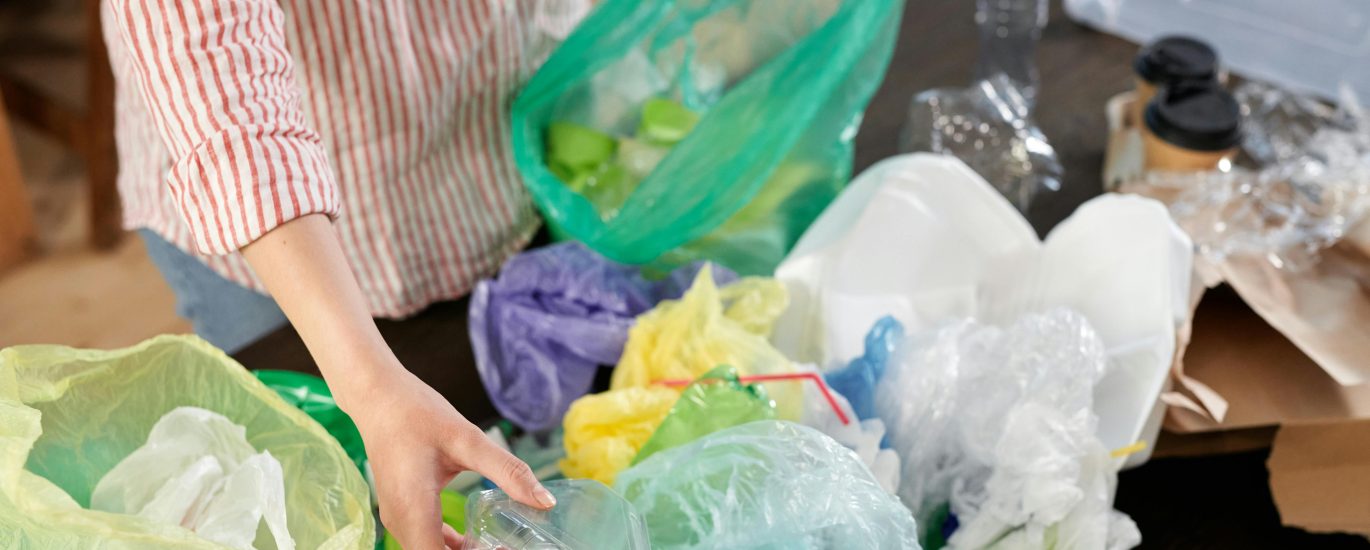
Proper waste separation at home is an important step toward protecting the environment and maintaining a clean and organized living space. Many households generate different types of waste every day, including paper, plastic, glass, organic waste, and general trash. By separating these materials correctly, families can reduce the amount of waste sent to landfills and support recycling efforts in their communities.
Understanding Basic Waste Categories
Most residential recycling systems are based on separating waste into a few key categories:
- Paper and Cardboard: Newspapers, magazines, cardboard boxes, and paper packaging.
- Plastic and Metal: Plastic bottles, food containers, aluminum cans, and packaging materials.
- Glass: Glass bottles and jars that can be cleaned and recycled.
- Organic Waste: Food scraps, vegetable peels, and biodegradable materials.
- General Waste: Items that cannot be recycled, such as certain packaging or damaged materials.
Keeping separate bins or containers for these categories at home makes it easier to sort waste correctly and consistently.
Tips to Keep Recycling Bins Clean
Maintaining clean recycling containers is important to prevent odors, insects, and bacteria.
Rinse Containers Before Recycling
Food containers, cans, and bottles should be lightly rinsed before placing them in the recycling bin. This helps prevent unpleasant smells and keeps recycling materials clean.
Use Bin Liners or Bags
Using liners inside recycling bins can make it easier to remove waste and keep the bins clean.
Clean Recycling Bins Regularly
Washing bins occasionally with mild soap and water helps remove residue and maintain hygiene.
Keep Bins in a Well-Ventilated Area
Placing recycling bins in an area with good airflow, such as a balcony, garage, or utility space, can help reduce odors.
Avoid Overfilling
Keeping bins organized and not overfilled ensures that recycling materials remain manageable and easier to handle.
By practicing proper waste separation and maintaining clean recycling systems at home, households can contribute to a cleaner environment and a more sustainable future. Small daily actions can make a meaningful difference for communities and the planet.